Madison Second Offense OWI Lawyer
Madison Second Offense OWI Lawyer
A second OWI can bring more serious consequences, including greater license concerns and possible jail exposure. Attorney Glenn E. Avena helps Madison drivers build a defense before the case gets worse.
Second OWI Charge
A Second Offense OWI Requires Immediate Strategy
A second OWI in Wisconsin is not just another traffic matter. The prosecutor, court, and licensing consequences may treat the case very differently from a first offense. The defense must review both the new allegations and the prior record that may be used to enhance the case.
Attorney Glenn E. Avena can review whether the prior offense is counted correctly, whether the traffic stop was lawful, whether probable cause existed, whether tests were administered properly, and whether negotiation, motion practice, or trial preparation makes sense.
Defense Focus
Issues in a Madison Second OWI Case
Prior Offense Analysis
The defense may review whether the prior record is accurate and whether the case is charged at the correct level.
Testing and Refusal
Breath, blood, refusal, and drug testing issues can be especially important in a repeat case.
Mitigation and Strategy
When appropriate, preparation may include treatment, assessment, employment documentation, and personal history.
Repeat Offense Strategy
Second OWI Defense Requires More Than Damage Control
A second OWI feels overwhelming because the stakes are higher and the client already knows how stressful the system is. The defense should not begin with resignation: the government still must prove the new case, and the prior record still has to be counted correctly.
The new case still has to be proven
- Whether the prior offense is being counted correctly under the look-back rules
- Whether the new stop was lawful and the field testing reliable
- Whether breath or blood evidence can be challenged
- Whether refusal procedure was actually followed
Mitigation carries real weight in repeat cases
- Treatment progress and assessment results
- Employment, family obligations, and transportation needs
- Personal circumstances that shape a strategic resolution
- Real-life planning around driving, work, and insurance while the case is pending
Avena Law Office prepares both at once, so a second offense is fought on the evidence while the practical problems — license, job, family responsibilities — get managed instead of ignored.
Wisconsin OWI Penalty Reference
What a Wisconsin OWI Conviction Can Carry
These are the fine and jail ranges written into Wisconsin Statute § 346.65(2). Move the selections to see how the offense number, the reported alcohol concentration, and a passenger under 16 change the exposure.
- Fine or forfeiture
- Jail or imprisonment
- How it is classified
Keep Reading
Related Madison OWI Defense Resources
Local Defense, Local Courts
Your case is heard here, by people who work here
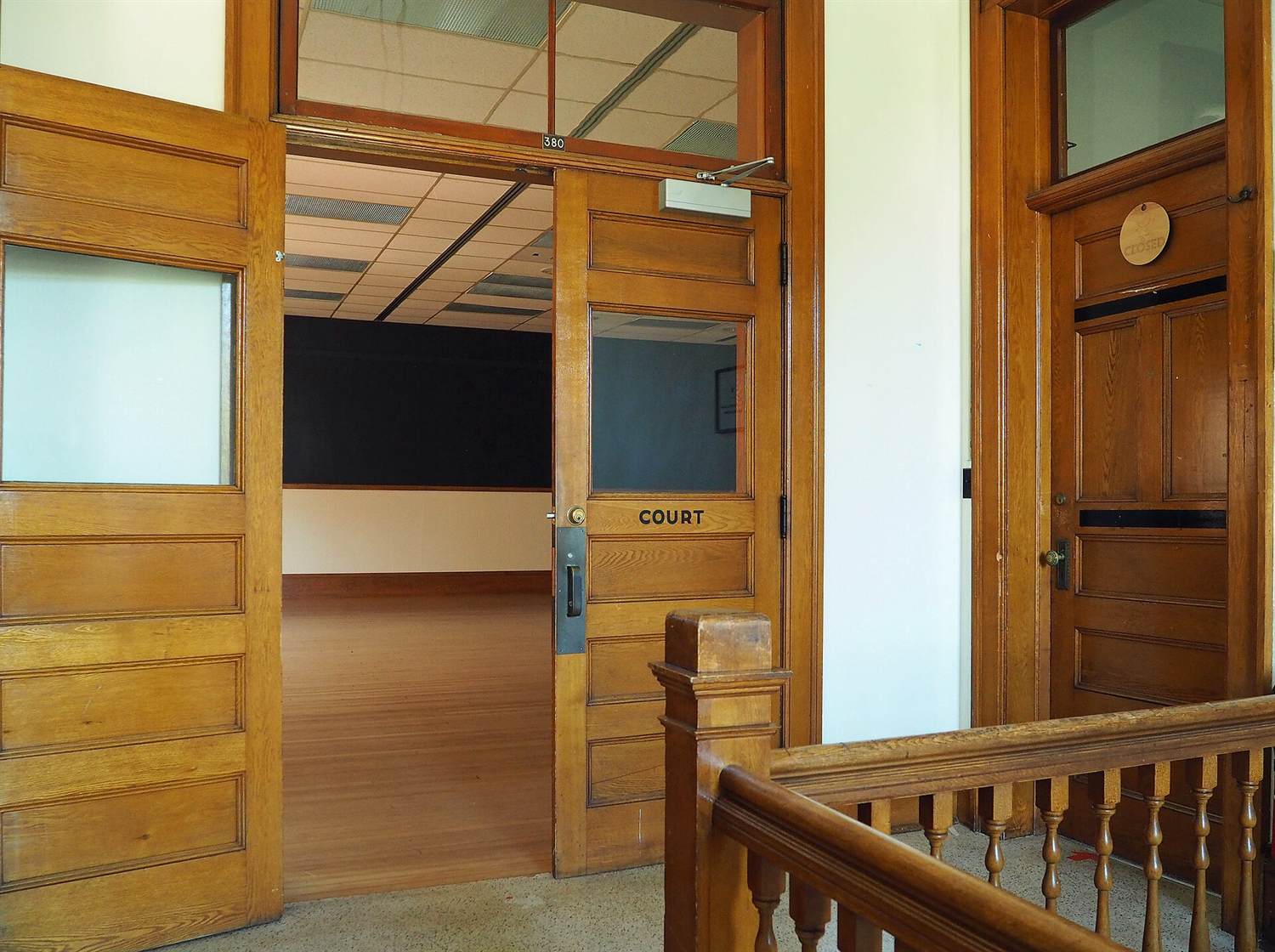
Avena Law Office, LLC runs a Madison criminal defense practice from one office and appears in the courthouses of Dane, Columbia, and the surrounding South-Central Wisconsin counties. Knowing the courtroom, the prosecutors, and how a county actually handles a charge is not a detail. It changes what can be negotiated.
Common Questions
Second Offense OWI Questions in Wisconsin
Is there mandatory jail for a second OWI in Wisconsin?
Usually, yes, when the court counts a prior OWI within the last 10 years. A second offense then carries a fine of $350 to $1,100 and 5 days to 6 months in jail (Wis. Stat. s. 346.65(2)(am)2.). The court must order at least 5 days in jail or, in its place, at least 30 days of community service (s. 346.65(2g)(d)), and many county jails also allow work-release privileges at their discretion. If your only prior is more than 10 years old, the new case is generally treated as a first offense: a civil forfeiture with no jail, unless a child under 16 was in the car. Because the count decides everything, the prior record is worth reviewing with a lawyer immediately.
How far back does Wisconsin look for a prior OWI?
For a second offense, the court counts only priors within 10 years, measured from the date of the earlier violation to the date of the new one (Wis. Stat. s. 346.65(2)(am)2., (2c)). Earlier convictions for homicide or great bodily harm by intoxicated use count regardless of age. From a third offense on, every countable prior counts no matter how old it is (s. 346.65(2)(am)3.-7.). What counts as a prior is listed in s. 343.307(1). Because those counting rules set the penalty range, the prior record should be checked carefully.
Is a second OWI a misdemeanor in Wisconsin?
When the court counts a prior OWI within 10 years, a second offense is charged as a crime rather than the civil forfeiture that a typical first offense is. That means it can appear on a criminal record and show up in background checks run by employers, landlords, and licensing boards. It carries a fine of $350 to $1,100 and 5 days to 6 months of jail (Wis. Stat. s. 346.65(2)(am)2.), along with separate consequences for your driver's license. If the only prior is more than 10 years old, the new case is generally a first offense, a civil forfeiture rather than a crime.
Can a refusal count as a prior OWI offense in Wisconsin?
Possibly. Wis. Stat. s. 343.307(1) lists revocations for refusing a chemical test among the priors a court counts. But the Wisconsin Supreme Court has held that a prior revocation for refusing a warrantless blood draw cannot be used to raise the criminal penalty for a later OWI (State v. Forrett, 2022 WI 37), so whether a particular refusal counts depends on the facts. It is worth having someone pull your driving record and confirm that every entry on it is accurate and is being counted the way the law actually allows.
What happens if my blood alcohol was 0.20 on a second offense?
The fine range for a second offense stays $350 to $1,100. The doubled, tripled, and quadrupled fines in Wis. Stat. s. 346.65(2)(g) apply only to the higher tiers, starting with a third offense. A high number still draws attention to how the sample was collected, stored, and analyzed, which is worth reviewing with a lawyer before anyone treats the result as final.
I already have two OWIs. What happens if I get another one in Wisconsin?
The penalties escalate sharply. A third offense carries a fine of $600 to $2,000 and 45 days to one year in jail (Wis. Stat. s. 346.65(2)(am)3.), and a fourth offense is a Class H felony with a fine of at least $600 and at least 60 days of confinement (s. 346.65(2)(am)4.). From a third offense on, every countable prior counts no matter how old it is, including the suspensions and revocations listed in s. 343.307(1), not only convictions. If you are facing a repeat charge in Madison or Dane County, call Avena Law Office at 608.271.2271.
Free Consultation
Talk to a Madison Second Offense OWI Lawyer Today
A repeat OWI needs immediate attention. Call or send the form for a fast case review.
Request a Free Second OWI Consultation
Complete the form and Avena Law Office will review your request.