Madison Refusal Hearing Lawyer
Madison Refusal Hearing Lawyer for OWI Cases
Refusal allegations can create separate license consequences and deadlines. If police say you refused a breath or blood test, contact Attorney Glenn E. Avena quickly.
Implied Consent and Refusal
What to Do if You Received Refusal Paperwork in Madison
A refusal allegation does not mean the government automatically wins. The defense may review whether the officer had a lawful basis for the stop, whether probable cause existed, whether proper warnings were given, whether the request was clear, and whether the paperwork was handled correctly.
Refusal issues are urgent because they may involve separate procedures and license consequences. If you received refusal paperwork after an OWI arrest, call Avena Law Office before deadlines pass.
The Deadline Most People Miss
You Have 10 Days to Demand a Refusal Hearing
If you refused a breath or blood test, the officer handed you a Notice of Intent to Revoke Operating Privilege. Under Wis. Stat. § 343.305(9)(a)4. you must deliver a written hearing request to the court within 10 days. Miss it and the revocation simply begins. Enter the date on that notice.
- Time remaining
- Request must reach the court by
Refusal Issues
Questions a Refusal Hearing Lawyer May Review
Was the Stop Lawful?
If the stop or arrest was unlawful, refusal consequences may be affected.
Were Warnings Proper?
The warnings and officer procedure matter in refusal cases.
Was There Actual Refusal?
Confusion, medical issues, unclear communication, or timing may matter.
Refusal Hearing Preparation
Why Refusal Cases Need Immediate Review
Refusal allegations are easy to misunderstand. A person may think they simply asked questions, were confused, wanted to speak to a lawyer, could not complete a test for medical reasons, or did not understand what was being requested. Police may still mark the situation as a refusal. That paperwork can create separate license consequences and must be reviewed quickly.
A refusal defense may examine whether there was a lawful stop, whether the officer had probable cause, whether the implied consent warnings were properly given, whether the driver actually refused, and whether the paperwork and timing were handled correctly. These are fact-specific questions. The answer is not always obvious from the citation alone.
Attorney Glenn E. Avena can help clients gather the relevant documents, identify deadlines, and understand how the refusal issue interacts with the OWI charge. Because refusal issues can affect driving privileges, waiting too long can limit options.
Keep Reading
Related Madison OWI Defense Resources
Local Defense, Local Courts
Your case is heard here, by people who work here
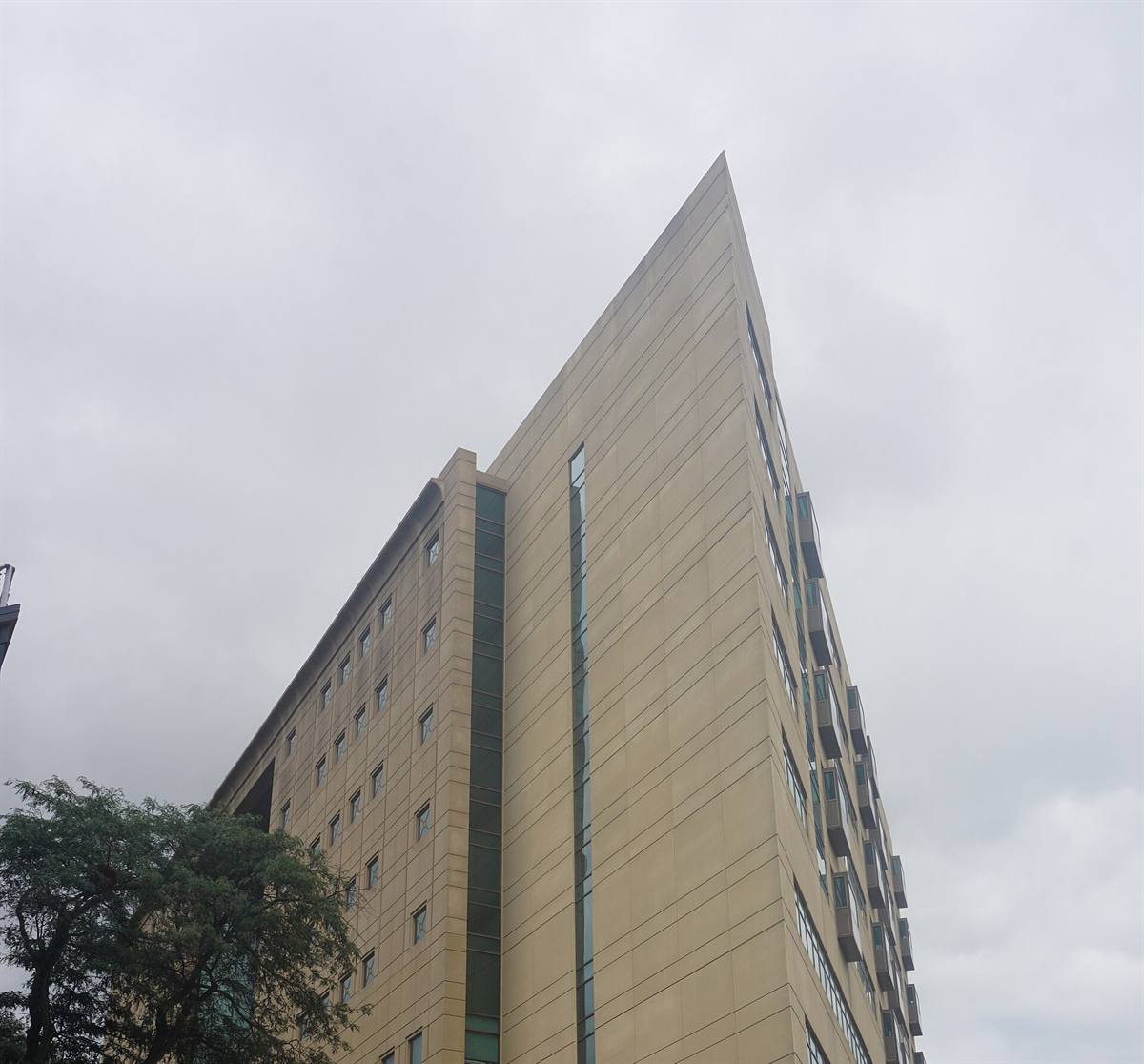
Avena Law Office, LLC runs a Madison criminal defense practice from one office and appears in the courthouses of Dane, Columbia, and the surrounding South-Central Wisconsin counties. Knowing the courtroom, the prosecutors, and how a county actually handles a charge is not a detail. It changes what can be negotiated.
Common Questions
Refusal Hearing Questions in Wisconsin
How long do I have to request a refusal hearing in Wisconsin?
Ten days. The Notice of Intent to Revoke gives you 10 days to get a written request for a refusal hearing to the court named on the notice (Wis. Stat. s. 343.305(9)(a)4., (10)(a)). If nothing reaches the court in time, there is no hearing and the revocation begins 30 days after the refusal. Do not count on weekends adding time. If your deadline is close, call Avena Law Office at 608.271.2271 today for a free consultation.
What happens if I miss the 10-day refusal deadline in Wisconsin?
If a written request does not reach the court within 10 days of the Notice of Intent to Revoke, you generally lose the chance to contest the refusal, and the revocation moves forward by default (Wis. Stat. s. 343.305(9)(a)4., (10)(a)). That is a separate track from the OWI charge itself, which continues on its own. Missing the refusal deadline does not end your OWI defense, but it does close one door, so act while the ten days are still running.
Is a refusal a separate case from my OWI charge in Wisconsin?
Yes. The refusal is handled as its own proceeding, with its own deadline and its own consequences for your driver's license, while the OWI charge moves through the criminal or forfeiture side of the court. The two are often heard by the same judge and usually involve the same facts, but winning or losing one does not automatically decide the other. Both need attention from the beginning.
Can a prior refusal count against me on a new OWI in Wisconsin?
Possibly. Wis. Stat. s. 343.307(1) lists revocations for refusing a chemical test among the priors a court counts when it decides how to charge a new drunk driving case, and for a second offense only priors within the last 10 years count. But the Wisconsin Supreme Court has held that a prior revocation for refusing a warrantless blood draw cannot be used to raise the criminal penalty for a later OWI (State v. Forrett, 2022 WI 37), so whether a particular refusal counts depends on the facts. It is worth having someone review your driving record and confirm that each entry is being counted correctly before you resolve anything.
I asked to call a lawyer before the breath test. Is that a refusal?
Wisconsin's implied consent law does not give you a right to speak with a lawyer before deciding whether to take the chemical test, and officers frequently record a request to call one as a refusal. That does not mean the matter is settled. What was actually said, which warnings were read, whether the request for a test was clear, and whether the stop and arrest were lawful are all fact questions a refusal hearing can address.
What can I actually argue at a refusal hearing?
The hearing is narrow but real. It looks at three questions: whether the officer had probable cause to believe you were driving while impaired and lawfully arrested you, whether the implied consent warnings were properly given, and whether you actually refused, or could not complete the test because of a physical disability or disease unrelated to alcohol or drugs. If the court decides any one of those questions in your favor, no action is taken on your license because of the refusal. If every question goes against you, the court orders the revocation (one year for a first refusal) and an alcohol assessment (Wis. Stat. s. 343.305(9)(a)5., (9)(d), (10)). Bring the officer's paperwork to a lawyer so those issues can be evaluated in time.
What is the difference between a refusal hearing and an administrative review?
They answer two different papers. A Notice of Intent to Suspend, with an Administrative Review Request form, means a test result at or over the limit: the request goes to the Wisconsin DMV, and the suspension is six months (Wis. Stat. s. 343.305(7), (8)). A Notice of Intent to Revoke means the officer recorded a refusal: the request goes to the court named on the notice, and a first refusal is a one-year revocation (s. 343.305(9), (10)). Each has its own 10-day clock, separate from the OWI citation, and winning one does not decide the other. If you are not sure which paper you hold, bring all of them to a lawyer the same day.
Free Consultation
Talk to a Madison Refusal Hearing Lawyer Today
Refusal paperwork should be reviewed quickly. Call or send the form now.
Request a Free Refusal Consultation
Complete the form and Avena Law Office will review your request.